1. Awareness: Start by being mindful of your posture throughout the day. Regularly check in with…
1. Awareness: Start by being mindful of your posture throughout the day. Regularly check in with your body to ensure you're maintaining good posture.
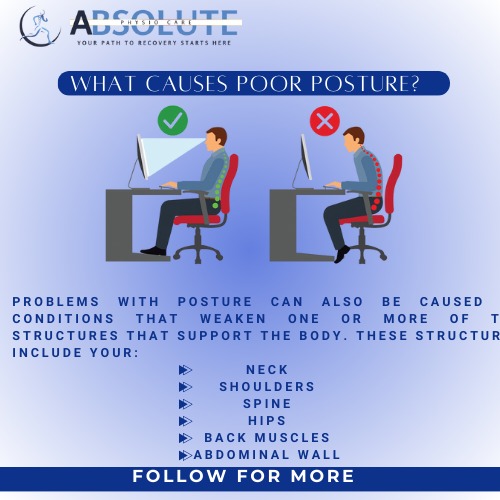
2.Ergonomic Workspace: If you have a desk job, ensure your workspace is ergonomically set up. Your chair, desk, and computer monitor should be at the right height to support good posture.
3. Sit Properly: When sitting, keep your feet flat on the floor, knees at a 90-degree angle, and your back straight against the chair. Use a cushion or lumbar roll if needed.
4.Stand Tall: When standing, distribute your weight evenly on both feet. Avoid locking your knees and tuck in your chin slightly.
5.Use Technology Mindfully: Limit screen time, and when using smartphones or tablets, hold them at eye level to prevent slouching.
6. Exercise Regularly: Strengthen your core and back muscles through exercises like planks, bridges, and yoga. These can help support your spine.
7. Stretch: Perform regular stretching exercises to maintain flexibility in your spine and surrounding muscles.
8. Proper Lifting: When lifting heavy objects, bend your knees, keep your back straight, and lift with your legs, not your back.
9.Comfortable Sleeping: Use a comfortable mattress and pillows that support your spine's natural alignment when sleeping.
10.Professional Help: If you have chronic back pain or posture issues, consult a physical therapist or chiropractor for personalized guidance and treatment.