Skip to content
Pune, Maharashtra, 412105

Business hours

Absolute Spine and Joint Wellness | Best Spine & Joint Pain Clinic in Pimpri-Chinchwad | Non-Surgical Treatment Experts

Monday
11am-8pm
Tuesday
11am-8pm
Wednesday
11am-8pm
Thursday
11am-8pm
Friday
11am-8pm
Saturday
11am-8pm
Sunday
Not provided

You can anytime during the day with your query.

+91 9112000741

Latest Posts & Updates

Fresh stories, announcements and offers about Physiotherapist, straight from our business.

Osteoarthritis is a degenerative joint disease that affects the cartilage in the joints, leading…

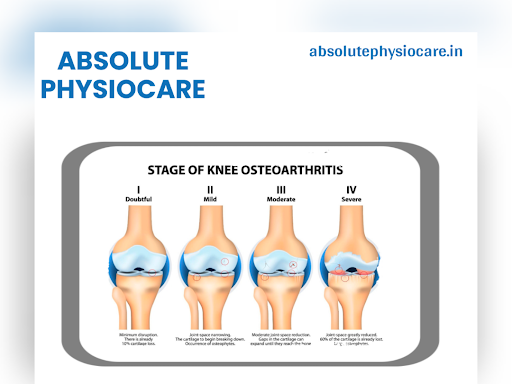
Osteoarthritis is a degenerative joint disease that affects the cartilage in the joints, leading to pain, stiffness, and reduced mobility. It is the most common form of arthritis, typically affecting the hands, knees, hips, and spine. The condition is characterized by the gradual breakdown of cartilage, leading to changes in the underlying bone and inflammation of the joint lining. Osteoarthritis symptoms develop slowly and worsen over time, including pain, stiffness, tenderness, and loss of flexibility. Risk factors for osteoarthritis include age, joint injuries, obesity, and genetic predisposition. Maintaining a healthy weight, protecting the joints, and engaging in low-impact physical activities are recommended to reduce pain and slow the progression of the disease. Complete Non-surgical treatment. Pulsed Signal Therapy (PST) is a non-invasive medical treatment that uses a high-tech, non-invasive medical device to treat various conditions, including osteoarthritis. It is based on the application of a very specific type of pulsed electromagnetic field with the goal of stimulating the healing process and improving joint function. PST has been shown to have an analgesic effect and improve joint function in patients with osteoarthritis. The treatment is administered in several sessions and is considered non-invasive, surgery-free, drug-free, and pain-free. It has been used in human and animal medicine for various debilitating conditions and injuries.
Osteoarthritis is a degenerative joint disease that affects the cartilage in the joints, leading… post imageRead full post

Plantar fasciitis is a common cause of heel pain, characterized by inflammation of the plantar fa…

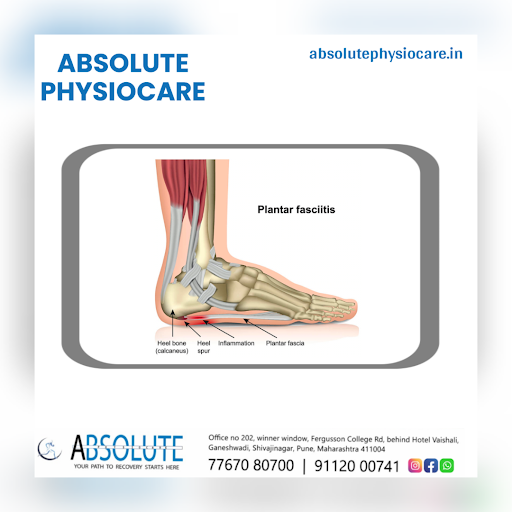
Plantar fasciitis is a common cause of heel pain, characterized by inflammation of the plantar fascia, a band of tissue that supports the foot's arch and absorbs shock during walking. It is often associated with activities that put stress on the heel and attached tissue, such as running, dancing, or prolonged standing on hard surfaces. The condition can be more prevalent in people between the ages of 40 and 60, those with flat feet or a high arch, and individuals who are overweight. Treatment typically involves conservative measures such as rest, stretching, icing the affected area, and modifying activities that cause pain. Non-surgical treatments : Rest: Decreasing time spent on your feet for a week or two, particularly if you run or jog, to give the plantar fascia time to heal Stretching: Greater flexibility in the Achilles tendon, ankle, and calf muscles helps reduce stress on the plantar fascia. Icing the painful area: Reducing inflammation can help alleviate pain associated with the condition. Massage: Massaging the affected area or rolling the bottom of your foot on a plastic ball covered in soft spikes can help reduce pain and inflammation. Pain relievers: Over-the-counter medications, particularly NSAIDs, can ease the pain and inflammation of plantar fasciitis. Physical therapy: Working with a physical therapist to stretch the plantar fascia, the Achilles tendon, and calf muscles, as well as doing exercises to strengthen muscles.

Plantar fasciitis is a common cause of heel pain, characterized by inflammation of the plantar fa… post imageRead full post

VITAMIN B12:

Vitamin B12 deficiency can cause neurological complications, including subacute combined degeneration of the spinal cord, which can lead to numbness, tingling, and difficulty walking. The spinal cord is affected early and can cause acute posterolateral or posterior cord syndrome. Vitamin B12 deficiency can also cause joint pain and fatigue, which can be debilitating. The symptoms of vitamin B12 deficiency are non-specific and may overlap with those of spinal stenosis. Patients with vitamin B12 deficiency may also have coexisting spinal pathologies, both of which may be contributory to patient symptoms either individually or in combination. Vitamin B12 deficiency can be uncovered with a simple blood test, and with proper diagnosis and treatment, patients can usually return to full health and feel like themselves again. Vitamin B12 deficiency can cause a wide range of symptoms, including both physical and neurological effects. Some of the common symptoms include: >Weakness, tiredness, or lightheadedness. >Heart palpitations and shortness of breath. >Pale skin >Numbness or tingling in the hands and feet >Trouble walking >Nausea, vomiting, or diarrhea >Loss of appetite >Psychological problems, ranging from mild depression or anxiety to confusion and dementia >Problems with memory, understanding, and judgment >Vision loss >Muscle weakness >Joint pain >Fatigue

VITAMIN B12: post imageRead full post

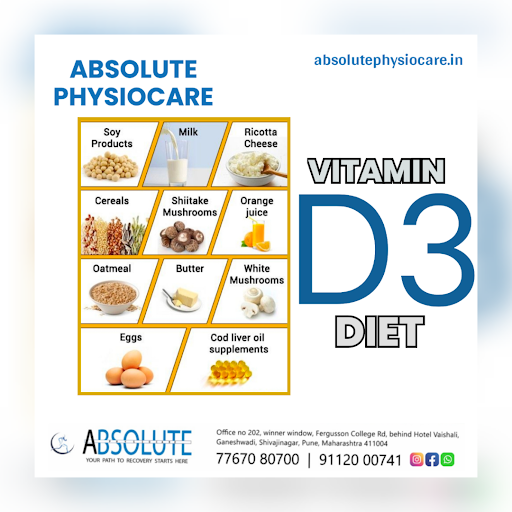
Vitamin D3 deficiency can cause or worsen neck and back pain, muscle spasm, and low bone mineral…

Vitamin D3 deficiency can cause or worsen neck and back pain, muscle spasm, and low bone mineral density. In patients with low back pain, decreased muscle strength due to vitamin D deficiency can cause herniated disc and cervical discal hernia, which can lead to pain. A study found that the severity of pain increased in patients with low back pain as the deficiency of Vitamin D3 increased. Another study found that vitamin D deficiency is significantly associated with lumbar disc degeneration and low back pain in postmenopausal women. Therefore, screening for vitamin D deficiency should be mandatory in patients with chronic low back pain, and current clinical guidelines for managing chronic low back pain should include assessment of vitamin D levels and advice on appropriate vitamin D supplementation in those found to be deficient. Back pain: Lower back pain may be a symptom of inadequate vitamin D levels, as vitamin D helps maintain bone health by improving the body's absorption of calcium. Muscle pain and weakness: Vitamin D deficiency can lead to muscle pain, weakness, and cramps, which can affect the spine and contribute to back pain. Muscle spasms and tremors: Vitamin D deficiency can cause muscle spasms and tremors, which can affect the spine. Bowleggedness: Severe vitamin D deficiency can lead to bowleggedness, which may impact the spine. vit D3 is less how it affects for spine.

Vitamin D3 deficiency can cause or worsen neck and back pain, muscle spasm, and low bone mineral… post imageRead full post

WATER INTAKE ....

Water intake is crucial for maintaining spinal health, as it plays a significant role in the functioning of the spine and preventing injuries. Some reasons why water intake is important for spine conditions include: 1) Hydration and spinal health: The spine has a lot of water running through and around the discs, vertebrae, and bones. Proper hydration is essential for the spine to function properly, as dehydration can cause issues with how the spine works by. 2)Regulates body temperature: Drinking enough water each day helps regulate temperature, which is essential for overall health :- wellness. 3)Keeps joints lubricated: Water intake helps keep joints lubricated, preventing pain and stiffness in the spine 4)Prevents infections: Drinking enough water each day is crucial for preventing infections, which can affect the spine and overall health. 5)Delivers nutrients to cells: Water helps deliver nutrients to cells, which is essential for the proper functioning of the spine and other body parts. 5)Keeps organs functioning properly: Proper hydration is necessary for keeping organs functioning properly, which can indirectly impact spinal health. 6)Improves sleep quality, cognition, and mood: Drinking enough water each day can improve sleep quality, cognition, and mood, which can positively affect spinal health.

WATER INTAKE .... post imageRead full post

Water intake is crucial for maintaining spinal health as it plays a significant role in the funct…

Water intake is crucial for maintaining spinal health as it plays a significant role in the functioning of spinal discs and overall spinal health. Some important aspects of water intake in spine conditions include: Hydration and Spinal Health: Spinal discs contain up to 85% water, which helps in maintaining the spinal structure and preventing pain. Dehydration can increase the risk of injury to the spine or aggravate existing conditions. Spinal Disc Health: Water is essential for keeping the spinal discs hydrated, which helps in preventing degenerative disc disease When dehydrated, the spinal discs lose water and become less spongy and more brittle, increasing the risk of injury and pain. Nutrient Delivery: Drinking enough water ensures proper nutrient delivery to the cells, including those in the spine. Water helps in flushing out toxins and waste products from the body, which can contribute to spinal health. Pain Prevention: Adequate hydration can help prevent back pain by keeping the spinal discs hydrated and reducing the risk of injury. To maintain spinal health, it is essential to drink plenty of water each day, depending on factors such as age, activity level, and climate. In general, most people need to drink eight 8-ounce glasses of water per day, but this number may vary depending on individual needs. It is also important to be aware of the signs of dehydration and consult a healthcare professional if concerns about water intake and spinal.

Water intake is crucial for maintaining spinal health as it plays a significant role in the funct… post imageRead full post

Tennis Elbow

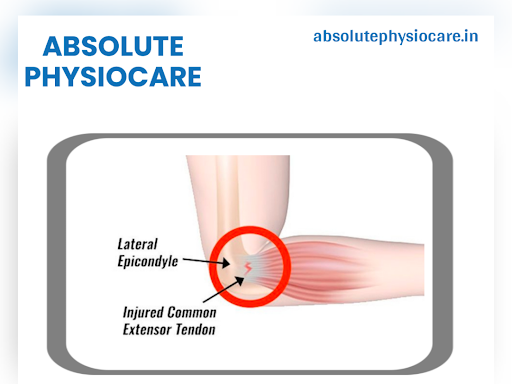
Tennis elbow, also known as lateral epicondylitis, is a condition that results from overuse of the muscles and tendons in the elbow. It can be caused by repeated motions of the wrist and arm, common in certain professions such as plumbing, painting, carpentry, and butchery, as well as in sports like tennis and other racket sports. The condition can affect anyone who regularly performs repetitive activities, not just athletes. Symptoms include pain and tenderness on the outside of the elbow, which can spread into the forearm and wrist. Some effective non-surgical treatments include: Rest: Avoid activities that aggravate elbow pain and give the injured area time to heal. Ice: Apply ice to the affected area frequently to reduce inflammation and pain. Compression: Use a forearm strap or brace to reduce stress on the injured tissue. Elevation: Keep the injured arm elevated to help minimize swelling. Pain relievers: Over-the-counter anti-inflammatory medications like ibuprofen can help relieve pain and reduce inflammation. Physical therapy: A physical therapist can teach you specific exercises to strengthen the muscles in your forearm and improve flexibility.

Tennis Elbow  post imageRead full post

Back and neck stiffness can be caused by various factors, including overuse, strenuous activity,…

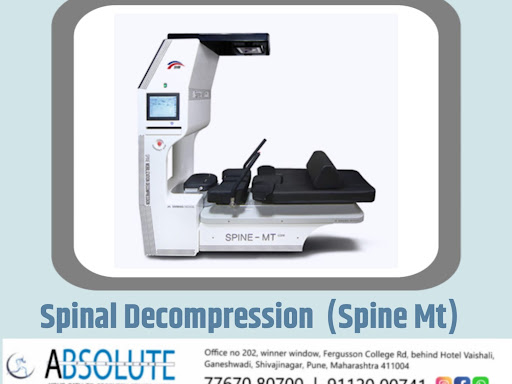
Back and neck stiffness can be caused by various factors, including overuse, strenuous activity, improper use, trauma, injury, or fractures. Common causes of neck stiffness include muscle or ligament conditions, traumas affecting the neck, and poor posture. In some cases, neck stiffness can be a temporary symptom of an underlying issue, such as meningitis, which is a dangerous infection that requires immediate medical attention. Symptoms associated with neck stiffness and pain can include: Arm numbness or tingling Headaches Shoulder pain Sharp shooting pains or dull aches in the neck Specific exercises to strengthen muscles and ease pain, such as stretching and flexing. If your neck stiffness does not improve on its own in a few days , it is essential to consult a healthcare provider. In some cases, a stiff neck may be accompanied by red flag symptoms, such as fever, headache, or severe pain, which require immediate medical attention. Spinal Decompression Therapy (Spine Mt): Spine MT is a non-invasive, non-surgical option used to treat patients with various conditions, including back and neck pain, spinal stenosis, herniated discs, and more. It involves gently stretching the spine to relieve pressure from the vertebrae, which can help create space for bulging or herniated discs to retract. This therapy can be beneficial for patients who suffer: Spinal stenosis Diseased spinal nerve roots Herniated/bulging discs Degenerative discs Pinched spinal nerves Neck and back pain

Back and neck stiffness can be caused by various factors, including overuse, strenuous activity,… post imageRead full post

Knee pain is a common symptom that can affect people of all ages. It may result from various caus…

Knee pain is a common symptom that can affect people of all ages. It may result from various causes, including injuries, medical conditions, and overuse. Some common causes of knee pain are arthritis, sprains, strains, torn cartilage, tendonitis, and bursitis. The location & severity of knee pain may vary, and it can be accompanied by symptoms such as swelling, stiffness, redness, weakness, or popping noises. Physical therapists are trained to diagnose &treat knee pain, & they can work with you to ease your pain & restore movement. They can provide a variety of treatments, including ultrasound, electric stimulation, kinesiology taping, application of heat or ice, & soft tissue massages. Additionally, they can work to modify activities, improve movement patterns, & provide a home exercise program for long-term management of knee pain.There are several non-surgical treatments for knee pain that can be effective in reducing or eliminating pain. Some of the most common non-surgical treatments for knee pain include: Physical therapy: Physical therapy can help to strengthen the muscles around the knee, improve flexibility, & reduce pain. Weight loss: Losing weight can help to reduce pressure on the knee joint, which can alleviate knee pain. Hot and cold therapy: Applying hot or cold packs to the knee can help to reduce pain & inflammation. NOTE : Before going for surgery try our Advanced ELECTRO MAGNETIC REGENERATION THERAPY (EMRT)treatment. You might avoid your knee surgery.

Knee pain is a common symptom that can affect people of all ages. It may result from various caus… post imageRead full post

DISC BULGING:

A bulging disc, also known as a herniated or ruptured disc, occurs when the inner portion of the intervertebral disc begins to protrude from the outer wall of the disc.This condition usually develops over time and can be caused by age-related degeneration. Bulging discs can be found in different areas of the spine, such as the lumbar (lower back) or cervical (neck) regions. Some common characteristics of bulging discs include: Causes: Bulging discs are often due to aging, as the water content in the disks decreases and the disks become less flexible. Traumatic events, such as falls, can also contribute to the development of bulging discs Symptoms: Bulging discs can cause pain that radiates down the back and other areas of the body, depending on their location within the spinal column. They may press on the spinal cord and nerve roots, leading to severe pain and problems with mobility Treatment: Treatment for bulging discs may include a combination of medication, physical therapy, and self-care. Bulging discs are different from herniated discs, which occur when the spongy center of a disk in the spine pushes out through a tear in the outer, rubbery portion of the disk. While both conditions affect the discs in the spine, they are not the same and may have different causes and symptoms. At Absolute Physiocare, we help you by using advanced technologies along with hands-on expertise to restore your worry-free life back on track. #BackPainRelief #PainManagement

DISC BULGING: post imageRead full post

Sciatica, also known as lumbar radiculopathy, is a pain that originates along the sciatic nerve,…

Sciatica, also known as lumbar radiculopathy, is a pain that originates along the sciatic nerve, which extends from the back of the pelvis down the back of the thigh. It is the main nerve in the leg and is responsible for transmitting pain and sensation from the lower back, buttocks, and leg. Sciatica is caused by irritation, compression, or pinching of the sciatic nerve, leading to, burning, or numbness in the lower back, buttock, and leg. It can be caused by various factors, including: Herniated or bulging lumbar intervertebral discs Lumbar spinal stenosis Spondylolisthesis Inflammatory conditions affecting the sciatic nerve. Direct compression of the nerve Sciatica is a clinical diagnosis, and a thorough history and physical examination are necessary for a complete evaluation and diagnosis. Imaging tests, such as X-rays, MRI, or CT scans, may be used to diagnose sciatica if wanted. Most cases of sciatica resolve in less than 4 to 6 weeks with no long-term complications, even if no medical therapy is sought. In more severe cases or cases where the neurologic deficit is present, the patient may have a more prolonged course of recovery. Here are some basic exercises that can help with sciatica pain: >Knee-to-Chest Exercise >Pelvic Tilt Exercise >Back Flexion Stretch >Standing Hamstring Stretch A new paradigm in the care and well-being of the spine advanced with SPINE MT CORE technology, a Korean technology whose device enables decompression, mobilization & correction.

Sciatica, also known as lumbar radiculopathy, is a pain that originates along the sciatic nerve,… post imageRead full post